Mastering NCLEX Blood Transfusion Reaction Clinical Cues
Recognizing nclex blood transfusion reaction clinical cues requires distinguishing acute hemolytic destruction from febrile non-hemolytic and allergic responses during the first fifteen minutes of infusion. On the Next-Generation NCLEX (NGN), candidates must identify early physiological changes like flank pain, fever, or urticaria. The immediate priority is always to stop the transfusion immediately and maintain vascular access by hanging normal saline with completely new intravenous tubing.
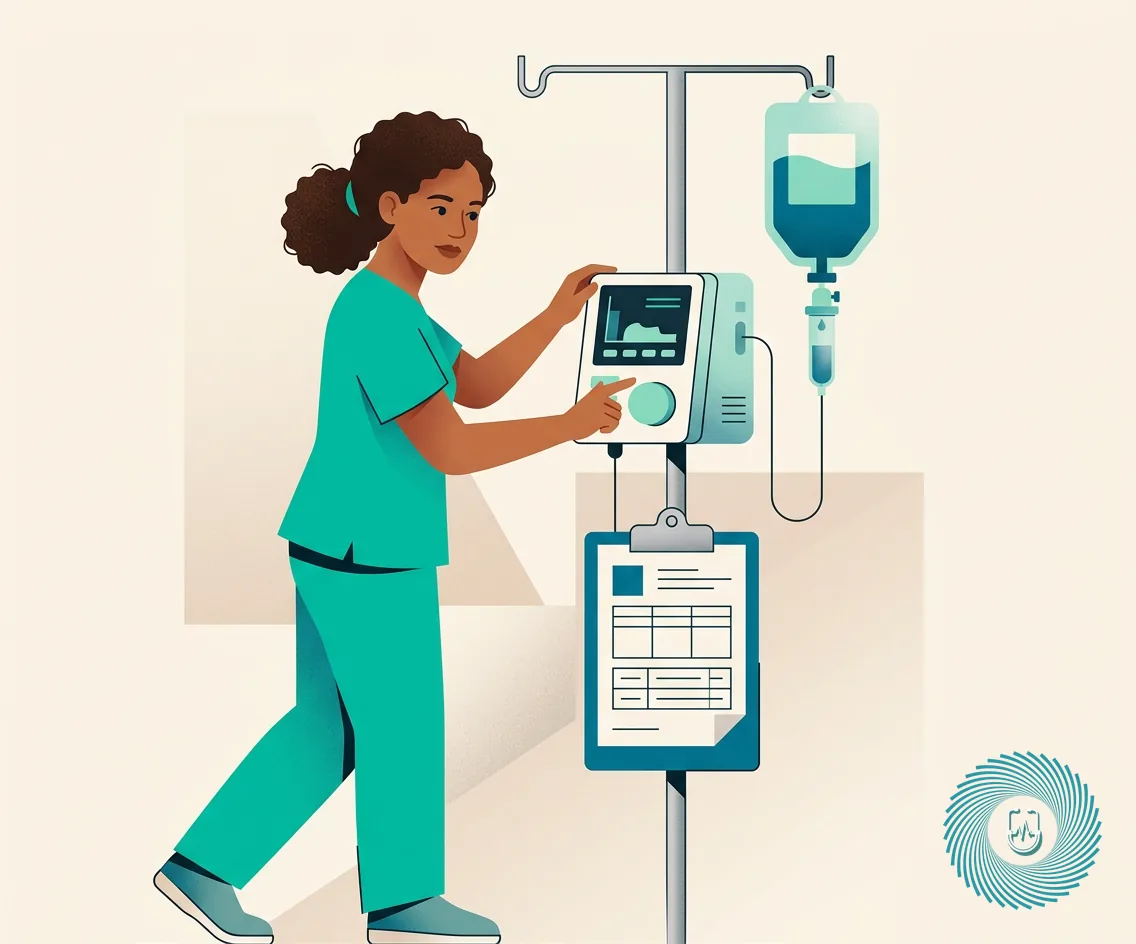
Recognizing Transfusion Reaction Cues (The Problem)
Blood product administration is a high-risk nursing responsibility tested frequently on the NCLEX-RN. Candidates often struggle to differentiate between life-threatening complications and milder immune reactions. The exam tests your ability to spot subtle physiological cues across unfolding electronic health records.
An acute hemolytic reaction occurs when incompatible red blood cells are infused into a client. Incompatibility triggers rapid systemic intravascular destruction. The classic triad includes fever, low back or flank pain, and hypotension. Red or dark urine indicates acute hemoglobinuria. In contrast, a febrile non-hemolytic reaction presents primarily with a temperature rise of at least one degree Celsius and chills without back pain or vascular collapse.
Mild allergic responses produce localized pruritus, urticaria, and facial flushing. However, severe anaphylactic reactions rapidly escalate into dyspnea, wheezing, and laryngeal edema. Understanding these distinct patterns is essential for safe practice and passing scores. Learn more about organizing your review using a structured nclex study plan.
Why Transfusion Safety Matters on the NGN (The Data)
The NCSBN Clinical Judgment Measurement Model evaluates safe nursing decisions across six cognitive skills in Layer 3. Blood administration questions test physiological adaptation and reduction of risk potential. Case studies require you to recognize abnormal vital signs and take immediate protective steps.
NCLEXIT maintains 4028 practice questions in the bank (Source: NCLEXIT production data). The platform also features 52 unfolding case-study scenarios designed to evaluate clinical judgment (Source: NCLEXIT production data). Each unfolding case features six standardized questions mapped directly to the six Layer 3 cognitive skills. In pre-release testing, NCLEXIT evaluates scenarios using a voice simulation engine with 130 voice scenarios with a recorded discrimination index and a 61.1 mean discrimination index across voice scenarios (Source: NCLEXIT production data).
Whether preparing for American licensing or studying via the nclex for Canadian candidates pathway, blood safety rules remain uniform. Regulators demand strict adherence to verification, monitoring, and emergency response protocols to prevent sentinel events.
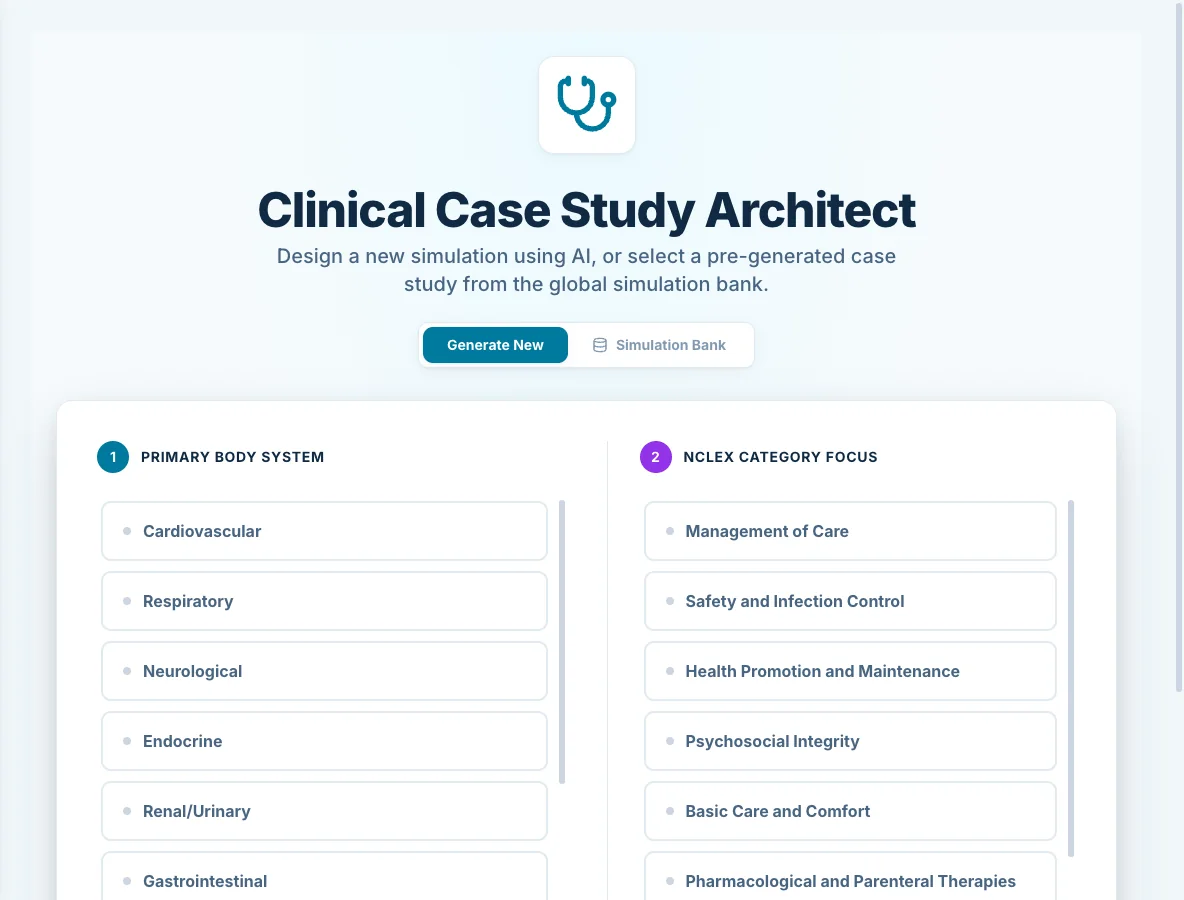
Step-by-Step Approach to Transfusion Cues (The Solution)
When answering an unfolding case on nclex blood transfusion reaction clinical cues, follow this standardized clinical judgment sequence.
Step 1: Recognize Cues
Compare baseline vital signs with measurements taken fifteen minutes after starting the blood. Identify elevated temperature, tachycardia, tachypnea, or sudden drops in blood pressure. Note client complaints of chills, dyspnea, low back pain, or sudden itching.
Step 2: Analyze Cues
Link the observed cues to the underlying pathophysiological process. Connect back pain and dark urine with ABO incompatibility and cell lysis. Link localized hives with a mild donor plasma protein allergy.
Step 3: Prioritize Hypotheses
Determine the most immediate threat to client survival. Prioritize acute hemolytic destruction and anaphylaxis above mild cutaneous reactions. Recognize that impaired gas exchange and distributive shock demand rapid intervention.
Step 4: Generate Solutions
Select interventions that prevent further antigen exposure and maintain organ perfusion. Plan to halt the infusion immediately. Plan to preserve kidney function by maintaining adequate intravenous hydration. You can review core pharmacology concepts in our nclex study notes.
Step 5: Take Action
The priority action is to stop the transfusion immediately at the first sign of any reaction. Disconnect the blood administration set directly from the IV hub. Connect normal saline using brand-new IV tubing to keep the vein open. Never flush remaining blood from the existing tubing into the client. Notify the primary healthcare provider and the blood bank. Monitor vitals every five minutes and collect required urine and blood samples.
Step 6: Evaluate Outcomes
Assess if blood pressure stabilizes and airway patency is maintained. Monitor urine output for signs of oliguria or dark discoloration. Document the exact timeline, client symptoms, and provider notifications in the chart.
Common Transfusion Reaction Mistakes (The Warning)
Candidates frequently lose points on NGN items by selecting unsafe interventions. The most common critical error is choosing to flush the existing intravenous line. Flushing the blood line pushes residual incompatible erythrocytes into the client circulation. This worsens systemic hemolysis.
Another frequent mistake is slowing the infusion rate when a reaction is suspected. If a client exhibits chills, dyspnea, or back pain, the nurse must never merely slow the rate. The infusion must cease completely. Failing to change the IV tubing before hanging saline is also scored as an unsafe action.
Do not confuse circulatory overload with an allergic reaction. Transfusion-associated circulatory overload (TACO) presents with hypertension, jugular vein distention, and crackles in lung bases. It requires head-of-bed elevation, oxygen, and diuretics rather than antihistamines or epinephrine.
Clinical Judgment Strategies for Exam Day (The Authority)
Mastering nclex blood transfusion reaction clinical cues demands strong attention to detail within client medical records. On NGN items, review the history, physical assessment, and nursing notes carefully. Look for subtle shifts between the baseline assessment and the fifteen-minute post-initiation flow sheet.
Remember that NGN drop-down rationale items use dyad or triad scoring. You only earn credit when both the identified cause and the linked nursing action are correct. For example, you must correctly pair acute hemolytic reaction with stopping the blood and infusing saline through new tubing to earn points.
Practice identifying early cues such as restlessness, mild fever, or new substernal tightness. Consistent practice with realistic unfolding charts builds the clinical judgment needed for safe entry-level nursing practice.
Frequently asked questions
What is the very first action when a transfusion reaction is suspected?
Stop the blood transfusion immediately. Disconnect the tubing from the catheter hub and hang normal saline with new IV tubing to maintain vein patency.
Why must the nurse use new IV tubing to hang normal saline after stopping blood?
Using new tubing prevents infusing residual blood trapped in the original tubing into the client. Flushing existing tubing delivers more incompatible blood cells into circulation.
What clinical cues distinguish acute hemolytic reactions from febrile non-hemolytic reactions?
Acute hemolytic reactions feature flank pain, hypotension, and dark red urine due to intravascular destruction. Febrile non-hemolytic reactions present with fever and chills without acute pain or vascular collapse.
How does TACO differ from an allergic transfusion reaction on the NCLEX-RN?
TACO manifests as fluid overload with hypertension, jugular venous distention, and pulmonary crackles. Allergic reactions present with itching, urticaria, bronchospasm, and hypotension without hypervolemia.
Get new insights as they publish
One evidence-checked article at a time, plus a free-trial link. No sequence, one click unsubscribes.