NCLEX Intracranial Pressure Clinical Cues and NGN Clinical Judgment
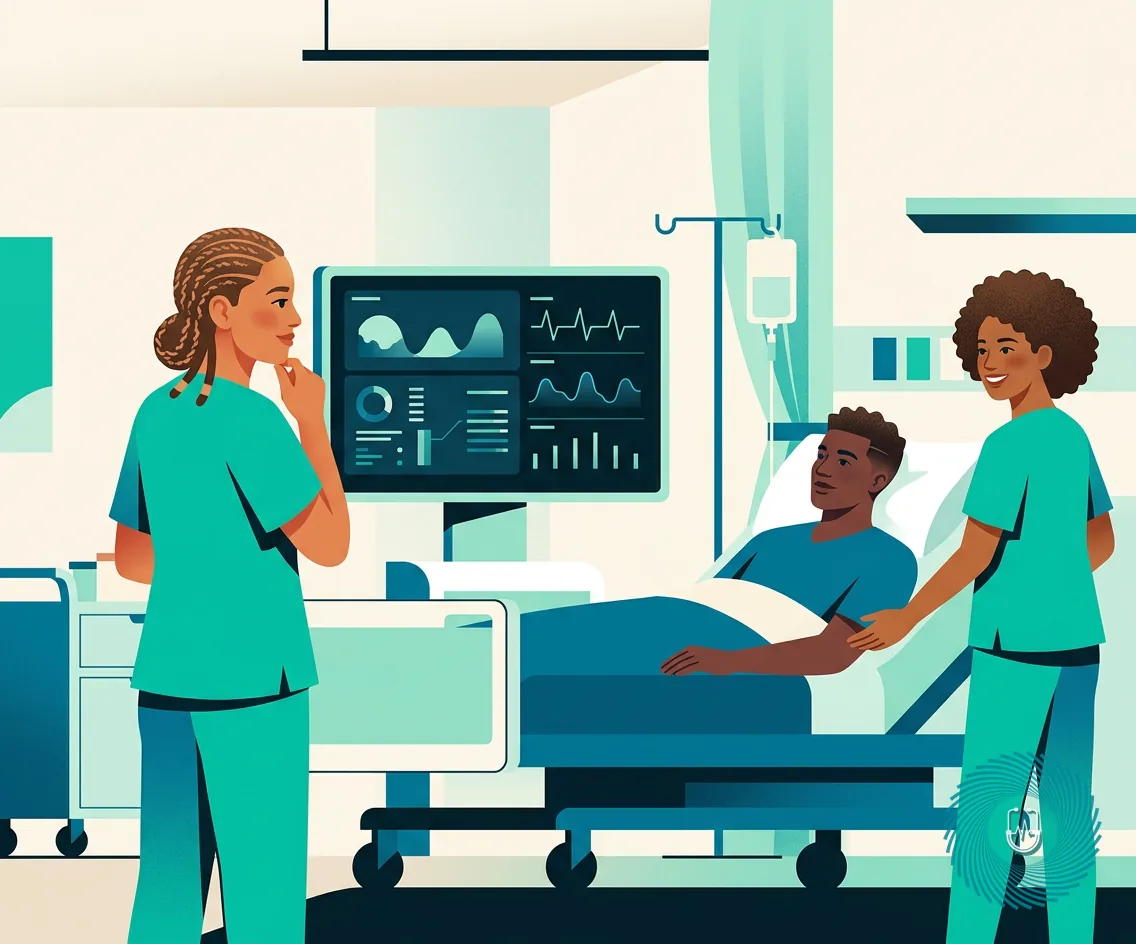
What are NCLEX intracranial pressure clinical cues? (The Problem)
Candidates often confuse early cues with late signs during neurological scenarios. The cranium is a rigid box. It holds brain tissue, blood, and cerebrospinal fluid. An increase in any component increases pressure inside the skull.
Recognizing these shifts quickly prevents brain injury and herniation. On the NCLEX-RN, item writers present unfolding charts. These charts include nurses' notes and vital signs. Candidates often scan the records for classic vital sign changes.
This habit leads to errors because early signs are quiet. The earliest cue is a shift in the level of consciousness. A client may show mild restlessness or confusion. A client may also report a dull headache.
Many candidates overlook these behavioral changes. They wait for blood pressure changes instead. By the time blood pressure changes appear, brain swelling is severe. Spotting nclex intracranial pressure clinical cues early protects the client from harm.
Subtle pupillary changes may also develop early. You might notice sluggish light reflexes or slight pupil inequality. Clients might also report sudden nausea or blurry vision. These quiet signs require prompt assessment. Waiting for late decompensation risks permanent neurological deficits.
Why NCLEX intracranial pressure clinical cues matter in 2026 (The Data)
The Next-Generation NCLEX tests your clinical judgment through case studies. Each unfolding scenario has six items mapped to the official model. Neurological emergencies appear across key client need categories.
In our bank of 4028 practice questions, neurological scenarios test multi-system data synthesis (Source: NCLEXIT production data). Candidates evaluate client responses across 52 unfolding case-study scenarios to practice partial credit scoring (Source: NCLEXIT production data). You can refine these skills with a structured nclex study plan.
Our platform also provides realistic spoken practice. Our voice clinical simulations test spoken judgment across 130 voice scenarios with a recorded discrimination index (Source: NCLEXIT production data). These voice tools demonstrate a 61.1 mean discrimination index across voice scenarios, measuring safe response separation in pre-release testing (Source: NCLEXIT production data).
Practicing nclex intracranial pressure clinical cues helps you spot subtle trends. Prompt identification avoids dangerous client decompensation. A high discrimination index confirms that our practice scenarios separate safe actions from unsafe actions.
Case studies frequently present complex medical histories. You must distinguish baseline chronic deficits from acute neurological decline. Practice questions challenge you to review sequential vital signs and nursing assessments. Spotting deteriorating cues protects client safety during high-stakes care transitions.
Step-by-step: how to approach NCLEX intracranial pressure clinical cues (The Solution)
The NCSBN Clinical Judgment Measurement Model has four layers, and its six cognitive skills sit in Layer 3; call them Steps 1-6. Use these six cognitive steps when answering items.
Step 1: Recognize cues
Look for subtle changes in the chart. Note restlessness, new confusion, or a dull headache. Check pupil response and visual complaints. Look for subtle motor weakness.
Step 2: Analyze cues
Connect observed cues to intracranial pathophysiology. Understand that declining alertness indicates reduced cerebral blood flow. Contrast these cues with baseline health data.
Step 3: Prioritize hypotheses
Identify the main risk facing the client. Rising cranial pressure takes priority over routine post-surgical pain. Review nclex delegation prioritization rules to order client needs accurately.
Step 4: Generate solutions
Plan actions to reduce cranial pressure. Prepare to elevate the head of the bed to 30 degrees. Avoid extreme neck bending or hip flexion. Keep the head in a neutral midline position.
Step 5: Take action
Deliver the selected care promptly. Elevate the head of the bed as planned. Alert the primary health care provider immediately. You can practice this decision process using the ai nclex tutor.
Step 6: Evaluate outcomes
Recheck the client for signs of improvement or decline. Watch closely for a widening pulse pressure. Check if the client returns to baseline orientation. Confirm that motor strength remains stable across all extremities.
Common mistakes to avoid (The Warning)
The most common mistake is treating vital sign shifts as early signs. A widening pulse pressure is a late sign of high cranial pressure. Waiting for blood pressure changes delays needed interventions.
Another common error involves misidentifying the classic late triad. Cushing's triad consists of widening pulse pressure, bradycardia, and irregular respirations. Candidates sometimes confuse this late triad with hypovolemic shock. Shock presents with low blood pressure and tachycardia instead.
Candidates also mismanage positioning items. Placing a client flat or flexing the neck increases venous pressure. Keep the head midline and elevated to assist venous drainage. Avoid dangerous positions on matrix and bow-tie questions.
Do not cluster nursing activities that increase intrathoracic pressure. Avoid unnecessary endotracheal suctioning or tight airway taping. Encourage the client to avoid Valsalva maneuvers or intense coughing. Proper positioning and gentle care preserve cerebral perfusion.
Expert insight and what changes next (The Authority)
Licensing exams in the United States and Canada emphasize client safety. Regulators expect entry-level nurses to recognize neurological decline quickly. Practicing nclex intracranial pressure clinical cues helps you master complex item formats.
Scoring rules reward precise choices. Select-all-that-apply and highlight questions use plus-minus scoring with a zero floor. Choosing an incorrect option subtracts points from your total. Selecting a harmful intervention reduces your overall score on that item.
In workplace settings, fast cue recognition prevents irreversible harm. A nurse who notices early restlessness can prevent brain herniation. Always report serious changes to the charge nurse or supervisor immediately. Distinguish early behavioral cues from a late autonomic collapse to maintain safe care.
Effective documentation supports clear interprofessional communication. Record exact neurological scores and pupil measurements accurately. Escalating subtle changes promptly ensures timely diagnostic imaging and neurosurgical review. Safe practice depends on vigilant cue surveillance and decisive escalation.
Frequently asked questions
What is the earliest sign of rising intracranial pressure on the NCLEX-RN?
The earliest sign is a change in level of consciousness, such as restlessness, confusion, or irritability. Headache and subtle motor weakness may also appear early.
What are the components of Cushing's triad?
Cushing's triad consists of severe systolic hypertension with a widening pulse pressure, bradycardia, and irregular respirations. It is a late sign of brainstem compression.
How should the nurse position a client with suspected intracranial hypertension?
Elevate the head of the bed to 30 degrees and maintain the neck in a neutral midline position. Avoid extreme hip flexion and Trendelenburg positioning.
Is widening pulse pressure an early or late clinical cue?
Widening pulse pressure is a late sign of rising intracranial pressure. It indicates that compensatory mechanisms have failed.
Get new insights as they publish
One evidence-checked article at a time, plus a free-trial link. No sequence, one click unsubscribes.