NCLEX Myasthenia Gravis vs Cholinergic Crisis Cues Guide
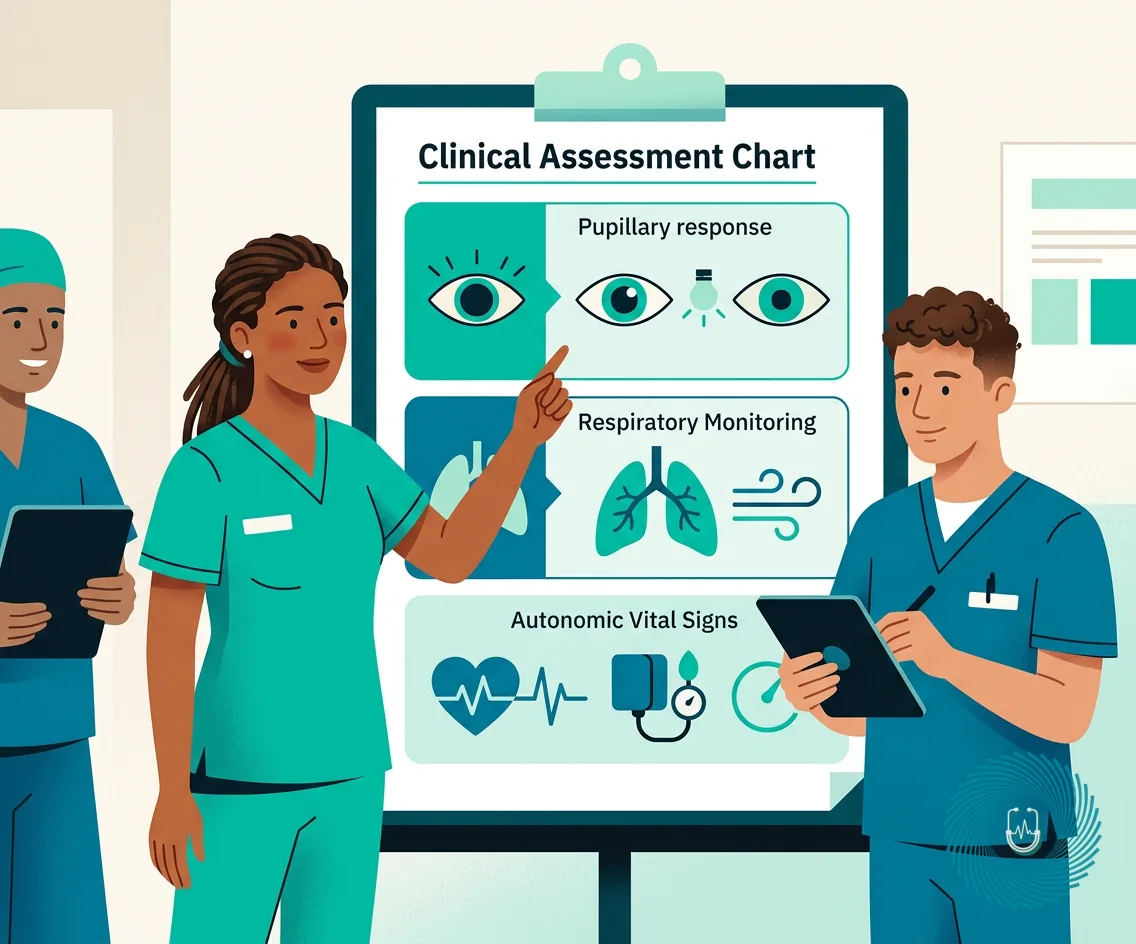
Differentiating nclex myasthenia gravis vs cholinergic crisis cues requires evaluating medication timing, pupillary responses, and autonomic secretions. Both conditions present with severe respiratory failure and flaccid muscle weakness. A myasthenic crisis stems from severe undermedication or acute infection, causing dilated pupils, tachycardia, and dry skin. A cholinergic crisis results from excessive anticholinesterase medication, presenting with pinpoint pupils, bradycardia, severe muscle fasciculations, and excessive SLUDGE secretions.
What is NCLEX myasthenia gravis vs cholinergic crisis cues? (The Problem)
Neuromuscular emergencies on the NCLEX-RN often present complex diagnostic puzzles. Candidates frequently struggle to differentiate between a client experiencing acute myasthenia gravis exacerbation and one suffering from excessive medication toxicity. Both conditions lead to generalized weakness and diaphragm paralysis. Misinterpreting these cues leads to catastrophic treatment errors on test day.
The underlying pathology explains why these conditions look similar yet require opposite interventions. Myasthenia gravis is an autoimmune disorder where antibodies destroy acetylcholine receptors at the neuromuscular junction. In a myasthenic crisis, too little acetylcholine binds to receptors. In contrast, a cholinergic crisis happens when excessive anticholinesterase inhibitors prevent acetylcholine breakdown, overloading receptors and causing depolarization block.
Recognizing the difference depends on systemic autonomic signs rather than muscle weakness alone. While skeletal muscle fails in both crises, the autonomic nervous system behaves in opposing patterns. Nurses must systematically review vital signs, secretions, and recent medication administration logs to separate these two states accurately.
Why NCLEX myasthenia gravis vs cholinergic crisis cues matters in 2026 (The Data)
The Next-Generation NCLEX (NGN) emphasizes clinical judgment across complex unfolding scenarios. Candidates must analyze subtle client cues to prevent clinical deterioration. NCLEXIT maintains a bank of 4028 practice questions (Source: NCLEXIT production data) and 52 unfolding case-study scenarios (Source: NCLEXIT production data) designed around these high-risk emergencies.
In unfolding cases, candidates receive patient charts with vitals, medication logs, and progress notes. Distinguishing crises tests Layer 3 cognitive skills directly. Giving pyridostigmine to a client in cholinergic crisis can cause fatal cardiac arrest or total airway collapse. Conversely, withholding anticholinesterase medication during a myasthenic crisis allows respiratory failure to worsen unchecked.
Simulation testing confirms how critical acute cue recognition is for safe nursing practice. Across 130 voice scenarios with a recorded discrimination index in the NCLEXIT platform (Source: NCLEXIT production data), the mean discrimination index stands at 61.1 (Source: NCLEXIT production data). Candidates preparing for clinical licensure across the United States and Canadian provincial regulators must master these rapid differentiation points.
Step-by-step: how to approach NCLEX myasthenia gravis vs cholinergic crisis cues (The Solution)
When solving NGN items on nclex myasthenia gravis vs cholinergic crisis cues, apply Layer 3 of the NCSBN Clinical Judgment Measurement Model. Follow these structured cognitive steps.
Step 1: Recognize cues in the clinical record
Begin by scanning the client chart for autonomic cues and medication history. Look closely at pupil size, heart rate, skin moisture, and bowel sounds. Identify the exact timing of the last pyridostigmine bromide dose. Check for recent triggers such as systemic infection, surgery, or missed doses.
Step 2: Analyze cues by grouping clinical patterns
Compare the observed cues against classic presentation profiles. Group excessive secretions, pinpoint pupils, diaphoresis, and diarrhea together as cholinergic toxicity. Group dilated pupils, tachycardia, high blood pressure, and absent secretions as myasthenic failure. Use structured summaries from comprehensive nclex-study-notes to reinforce these paired cue patterns.
| Clinical Cue | Myasthenic Crisis (Undermedicated) | Cholinergic Crisis (Overmedicated) |
|---|---|---|
| Pupil Size | Mydriasis (Dilated) | Miosis (Constricted/Pinpoint) |
| Heart Rate | Tachycardia | Bradycardia |
| Secretions | Normal to Dry Mucosa | Copious (Salivation, Lacrimation, Bronchorrhea) |
| GI Symptoms | Decreased Motility | Abdominal Cramping, Diarrhea |
| Muscle Signs | Flaccid Weakness, Fatigue | Weakness with Muscle Fasciculations |
Step 3: Prioritize hypotheses based on crisis type
Determine the primary physiological threat to determine the emergency condition. If excessive muscarinic stimulation dominates, hypothesize cholinergic crisis. If inadequate neuromuscular transmission with infection triggers dominates, prioritize myasthenic crisis. Incorporate focused case practice into your nclex-study-plan to speed up diagnostic differentiation.
Step 4: Generate solutions and prepare emergency antidotes
Anticipate provider prescriptions based on your prioritized hypothesis. For cholinergic crisis, the required antidote is atropine sulfate to block muscarinic receptors. For myasthenic crisis, expect prescriptions for increased anticholinesterase agents, plasmapheresis, or intravenous immunoglobulin. Always keep endotracheal intubation equipment at the bedside regardless of the crisis type.
Step 5: Take action and maintain airway patency
Execute priority nursing actions immediately based on client safety protocols. Position the client to prevent aspiration from excessive oral secretions. Administer emergency intravenous medications as prescribed. Practice prioritization workflows alongside nclex-delegation-prioritization resources to ensure calm execution under testing pressure.
Step 6: Evaluate outcomes against baseline status
Monitor the client continuously for therapeutic response. Check forced vital capacity and negative inspiratory force measurements. Ensure secretional clearance improves and cardiac dysrhythmias resolve.
Common mistakes to avoid (The Warning)
A common error is assuming all muscle weakness in myasthenia gravis warrants an increased drug dose. When clients report sudden profound weakness after taking medication, candidates often incorrectly select giving more pyridostigmine. Administering extra anticholinesterase medication during an existing cholinergic overdose causes severe toxic crisis worsening.
Another frequent mistake is ignoring the vital role of pupil assessment. Pupil changes provide an immediate, objective cue when skeletal weakness masks other motor signs. Dilated pupils indicate myasthenic crisis, while constricted pupils point toward cholinergic toxicity. Forgetting the SLUDGE syndrome mnemonic (Salivation, Lacrimation, Urination, Defecation, Gastrointestinal distress, Emesis) often leads candidates to overlook subtle autonomic warnings.
Finally, candidates often forget that both crises share the exact same primary cause of mortality. In either situation, the diaphragm fails and airway reflexes diminish. Never delay securing the airway to debate pharmacology. Emergency respiratory stabilization always takes precedence before secondary diagnostic tests or medication adjustments.
Expert insight and what changes next (The Authority)
Historically, nursing education relied heavily on the edrophonium chloride (Tensilon) test to distinguish between these two crises. If edrophonium improved muscle strength, the client had myasthenic crisis. If weakness deepened, it was a cholinergic crisis. Today, modern clinical practice and contemporary NCLEX-RN items rarely feature the Tensilon test due to severe risks of ventricular fibrillation and bradycardia.
Current examination standards focus on identifying clinical cues directly from nursing assessments and electronic medical records. Candidates must recognize signs of cholinergic crisis without waiting for diagnostic drug challenges. Regulators in both the United States and Canada expect new nurses to spot toxic medication signs immediately.
Mastering these assessment cues protects client safety in real healthcare settings. Focus your review on autonomic responses, medication administration timing, and airway maintenance. Approaching each unfolding case with structured Layer 3 clinical judgment steps ensures clear, reliable decision-making on test day.
Frequently asked questions
What is the primary antidote for a cholinergic crisis on the NCLEX-RN?
The primary antidote is atropine sulfate, an anticholinergic agent that blocks excess muscarinic stimulation. Nurses must have atropine immediately available whenever anticholinesterase medications are administered or evaluated.
How do pupil sizes differ between myasthenic crisis and cholinergic crisis?
Pupils are dilated (mydriasis) in a myasthenic crisis due to inadequate cholinergic stimulation and sympathetic overdrive. In a cholinergic crisis, pupils are constricted (pinpoint or miosis) from excessive parasympathetic activation.
What is the most critical nursing priority in both myasthenic and cholinergic crises?
Maintaining airway patency and adequate ventilation is the top priority for both conditions. Both crises cause profound diaphragm and intercostal muscle weakness, leading to rapid respiratory failure.
Why is the Tensilon test rarely used in modern clinical practice?
The edrophonium (Tensilon) test carries significant risks of severe bradycardia, bronchospasm, and cardiac arrest. Modern clinical practice and current NCLEX-RN scenarios emphasize direct cue recognition from clinical history, vital signs, and secretional assessment.
Get new insights as they publish
One evidence-checked article at a time, plus a free-trial link. No sequence, one click unsubscribes.