NCLEX Serotonin Syndrome vs NMS Clinical Cues: A Guide
Distinguishing nclex serotonin syndrome vs nms clinical cues requires evaluating muscle tone, onset speed, and drug history across Layer 3 of the NCSBN model. Serotonin syndrome features hyperreflexia, tremor, and ocular clonus. It starts rapidly after serotonergic drug changes. In contrast, neuroleptic malignant syndrome (NMS) causes lead-pipe rigidity, hyporeflexia, and slow onset after dopamine antagonist exposure. Recognizing these contrasting findings in Step 1 and analyzing drug patterns in Step 2 helps candidates choose safe emergency interventions.
What is nclex serotonin syndrome vs nms clinical cues? (The Problem)
Both conditions present as psychiatric emergencies. Each disorder causes high fever, fast heart rate, and confusion. On the NCLEX-RN, questions test whether you can separate them in unfolding cases. Confusing these two emergencies leads to wrong choices and unsafe care.
The central problem lies in overlapping vital signs. A client with either condition may show diaphoresis, high blood pressure, and fast pulse. To find the right diagnosis, look closely at motor cues. Serotonin excess creates nervous system excitation. This leads to spontaneous clonus and hyperactive bowel sounds. NMS produces dopamine blockade. This causes severe muscle rigidity and quiet bowel sounds.
Timing provides another clear difference. Serotonin toxicity often begins within 24 hours of starting or raising a dose. NMS develops over several days or weeks after starting a neuroleptic drug. Practicing these distinctions in your NCLEX study notes helps you identify subtle chart changes quickly. Comparing these clues sharpens your clinical judgment for exam day.
Why nclex serotonin syndrome vs nms clinical cues matters in 2026 (The Data)
The Next-Generation NCLEX tests drug safety in multi-step case studies. Layer 3 of the NCSBN model organizes clinical thinking into six steps. Step 1 asks you to recognize cues. Step 2 asks you to analyze those cues in context.
Psychiatric questions often present complex medication administration records. You might see a client taking an antidepressant alongside linezolid. Alternatively, a client might receive haloperidol for acute agitation. Understanding nclex serotonin syndrome vs nms clinical cues protects client safety across these complex scenarios.
The NCLEXIT bank contains 4028 practice questions (Source: NCLEXIT production data). It also provides 52 unfolding case-study scenarios (Source: NCLEXIT production data) to help you rehearse complex drug charts. Case studies award partial credit using plus-minus scoring rules. Spotting neuromuscular signs protects your score on matrix questions and highlight items. You can refine your timing and test pacing using an individualized NCLEX study plan.
Step-by-step: how to approach nclex serotonin syndrome vs nms clinical cues (The Solution)
When an unfolding case presents a psychiatric client with a high fever, follow these steps to choose safe nursing actions.
Step 1: Recognize Neuromuscular and Autonomic Cues
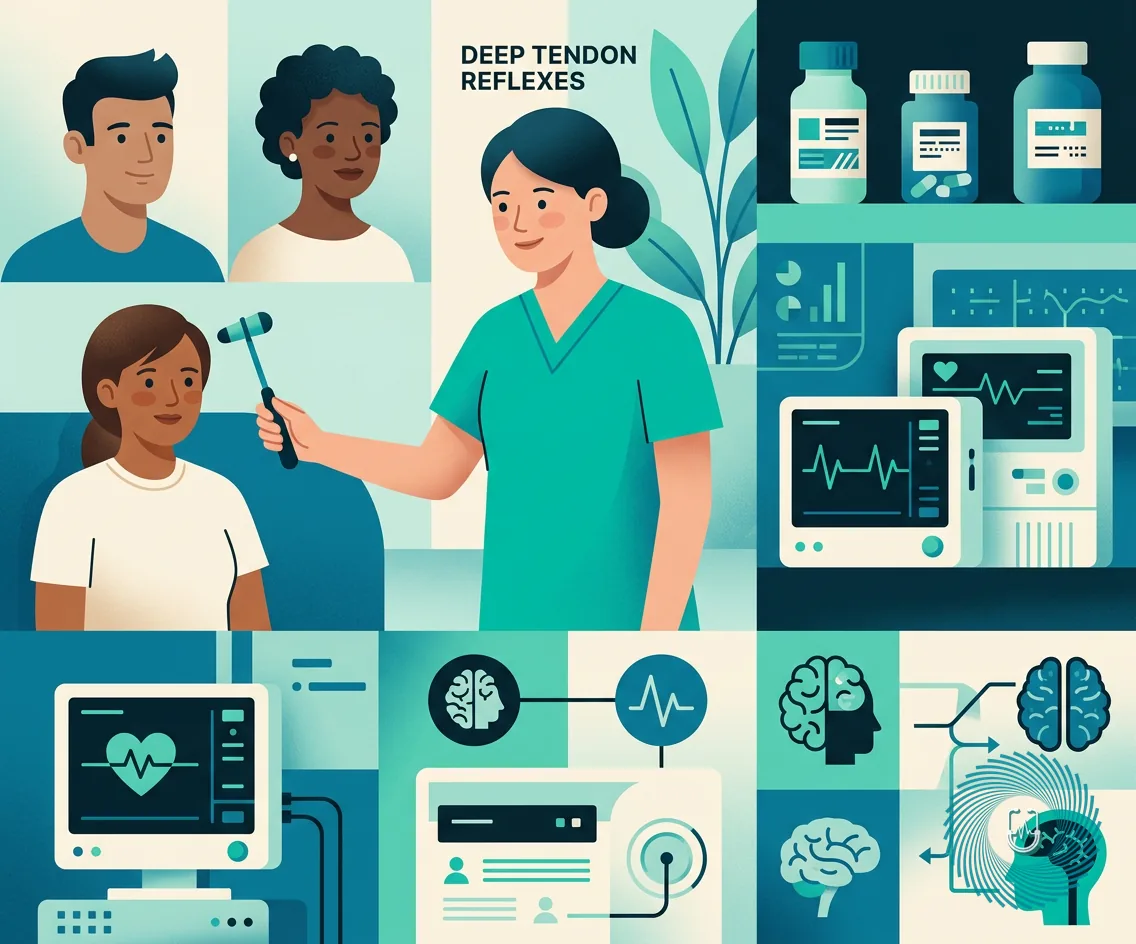
Examine the physical assessment notes in the chart. Search specifically for deep tendon reflexes, muscle tone, and pupil size. Note whether you find hyperactive reflexes with ocular clonus or weak reflexes with stiff muscles. Check the eyes carefully. Dilated pupils strongly suggest serotonin toxicity.
Step 2: Analyze Drug Timelines and Combined Agents
Review the medication record across the last month. Look for recent dose increases, new drugs, or sudden stops. Spot risky mixes like sertraline paired with tramadol. For suspected NMS, check for antipsychotics or antiemetic doses such as metoclopramide.
Step 3: Prioritize the Primary Pathophysiological Hypothesis
Compare gathered cues against diagnostic rules. Build your main hypothesis based on muscle tone rather than fever alone. Severe lead-pipe rigidity indicates dopamine blockade rather than high serotonin levels. Set your priority before reviewing the answer choices.
Step 4: Generate Emergency Solutions and Take Immediate Action
Plan immediate safety steps. For both conditions, the very first action is stopping all causative drugs immediately. Start supportive cooling, give IV fluids, and place the client on a cardiac monitor. Prepare specific reversal agents, such as cyproheptadine for serotonin excess or dantrolene for NMS. You can practice verbal reports using the AI NCLEX tutor to rehearse calling the primary care provider.
Step 5: Evaluate Clinical Outcomes and Monitor Lab Trends
Watch the client for cooling and muscle relaxation. Track kidney function, potassium levels, and creatine kinase to detect rhabdomyolysis early. Record the return of normal vital signs as the client improves.
Common mistakes to avoid (The Warning)
A frequent error is assuming that high fever alone confirms neuroleptic malignant syndrome. Severe serotonin toxicity can also cause temperatures above 40 degrees Celsius. Relying solely on body temperature leads candidates to miss critical emergencies.
Another common mistake is confusing deep tendon reflex findings. Serotonin excess creates hyperactive reflexes in the legs. In contrast, NMS creates diffuse stiffness that hides reflex responses. Missing hyperreflexia vs hyporeflexia differences causes errors on matrix questions.
Candidates also overlook regular drugs that carry serotonergic activity. Cough syrups with dextromethorphan, linezolid, St. John's wort, and meperidine can trigger severe toxicity when mixed with antidepressants. Always inspect the entire drug record rather than only psychiatric prescriptions. Recognizing these hidden risks is a key part of mastering nclex serotonin syndrome vs nms clinical cues on the exam.
Finally, candidates often delay stopping the offending medication while waiting for lab tests. The NCLEX-RN expects the nurse to stop the drug as the first priority action. Never give another dose if acute toxicity signs appear in the chart.
Expert insight and what changes next (The Authority)
Modern pharmacology items emphasize whole-body nursing assessments. Regulatory bodies like the NCSBN and provincial Canadian colleges focus on safety during sudden declines. Recognizing subtle neurological cues protects clients from acidosis and acute kidney injury.
Interactive simulation can be an effective way to practice these rapid clinical decisions. The NCLEXIT platform features 130 voice scenarios with a recorded discrimination index (Source: NCLEXIT production data). It maintains a 61.1 mean discrimination index across voice scenarios (Source: NCLEXIT production data). These calibrated scenarios assess how well candidates verbally manage acute client changes.
When studying for your exam, build side-by-side comparison tables in your daily reviews. Contrast rapid onset against slow onset. Contrast clonus against rigid stiffness. Simple mental models help you answer psychopharmacology questions with calm confidence.
Frequently asked questions
What is the fastest way to tell serotonin syndrome from NMS on the NCLEX-RN?
Check the deep tendon reflexes and muscle tone. Serotonin syndrome causes hyperreflexia, tremor, and clonus, whereas NMS presents with lead-pipe muscle rigidity and hyporeflexia.
Which medication is prescribed as an antidote for serotonin syndrome?
Cyproheptadine acts as a serotonin antagonist for severe toxicity. The nurse must also discontinue all serotonergic agents and provide supportive cooling and hydration.
What laboratory marker rises significantly in neuroleptic malignant syndrome?
Serum creatine kinase rises markedly due to severe, continuous muscle rigidity. This massive muscle breakdown places the client at elevated risk for acute renal failure.
How does symptom onset differ between serotonin syndrome and NMS?
Serotonin syndrome typically develops rapidly within hours of medication changes. NMS develops much more gradually over several days to weeks of neuroleptic therapy.
Get new insights as they publish
One evidence-checked article at a time, plus a free-trial link. No sequence, one click unsubscribes.